The Role of Intuitive Eating in Mental Health and Well-Being


In recent years, the concept of intuitive eating has gained significant attention as a holistic approach to nourishing the body. Unlike traditional diets that often impose strict rules and restrictions, intuitive eating encourages individuals to listen to their body's natural cues. This approach not only promotes a healthier relationship with food but also plays a crucial role in enhancing mental health and overall well-being.

Understanding Intuitive Eating
Intuitive eating is a philosophy that involves tuning into your body's signals of hunger and fullness, rather than adhering to external diet rules. It is about trusting your body's innate wisdom to guide eating choices and recognizing that there is no one-size-fits-all approach to nutrition. This practice encourages mindfulness and self-awareness, which can significantly impact mental health.
The Connection Between Food and Emotions
Food is often linked to emotions, and intuitive eating acknowledges this connection. By developing a healthy relationship with food, individuals can better manage emotional eating and reduce stress. Instead of using food as a coping mechanism, intuitive eating encourages exploring the root causes of emotional distress and finding alternative ways to address them.

Benefits for Mental Health
Intuitive eating has several mental health benefits. It promotes a positive self-image by helping individuals break free from the cycle of dieting and self-criticism. This approach fosters self-compassion and reduces anxiety around food choices, creating a more relaxed relationship with eating.
- Improved Body Image: By focusing on how food makes you feel rather than how it makes you look, intuitive eating helps improve body satisfaction.
- Reduced Stress: Eliminating food restrictions reduces the stress associated with dieting, leading to a more balanced state of mind.
- Enhanced Mood: A varied and satisfying diet can lead to improved mood and energy levels.

Practical Steps to Start Intuitive Eating
Embracing intuitive eating requires patience and practice. Here are some steps to get started:
- Reject the Diet Mentality: Let go of the idea that there's a perfect diet or that you must follow rigid rules to be healthy.
- Honor Your Hunger: Listen to your body's hunger signals and eat when you are truly hungry.
- Make Peace with Food: Allow yourself to enjoy all foods without guilt or restriction.
- Respect Your Fullness: Pay attention to your body's signals that you're no longer hungry.
- Discover the Satisfaction Factor: Find joy and satisfaction in eating, which can lead to more positive experiences with food.
Challenges and Considerations
While intuitive eating offers many benefits, it is not without challenges. Individuals may struggle to trust their body's signals, especially if they have a history of dieting. It is also essential to recognize that intuitive eating is a personal journey, and what works for one person may not work for another. Support from professionals, such as dietitians or therapists, can be beneficial in navigating this path.
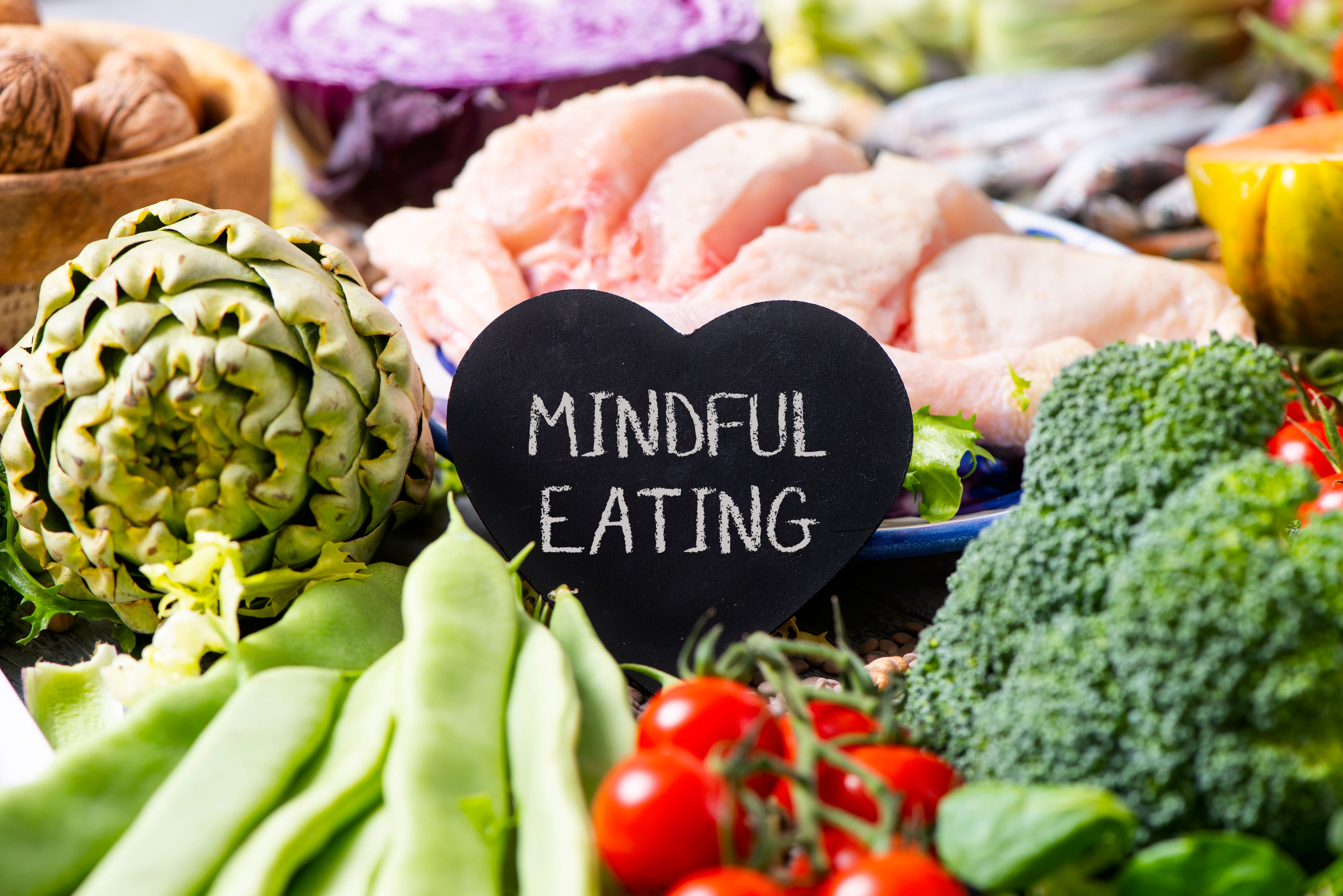
In conclusion, intuitive eating is a transformative approach that nurtures both physical and mental well-being. By fostering a mindful connection with food and embracing the body's natural cues, individuals can achieve a healthier, more balanced lifestyle. As the journey unfolds, the positive impact on mental health becomes increasingly evident, paving the way for a more fulfilling and joyous life.