The Connection Between Intuitive Eating and Body Image: What You Need to Know


Understanding Intuitive Eating
Intuitive eating is a revolutionary approach to food that encourages individuals to trust their body's natural hunger signals rather than adhering to strict diets or food rules. Developed by dietitians Evelyn Tribole and Elyse Resch, this approach focuses on listening to your body and eating when you're hungry, while stopping when you're full. This method prioritizes internal cues over external diet plans, aiming to create a healthier and more positive relationship with food.
The concept of intuitive eating is based on ten principles that guide individuals towards a more balanced and mindful approach to eating. These principles include rejecting the diet mentality, honoring your hunger, and making peace with food. By following these guidelines, people can free themselves from the cycle of yo-yo dieting and develop a healthier body image.
The Impact on Body Image
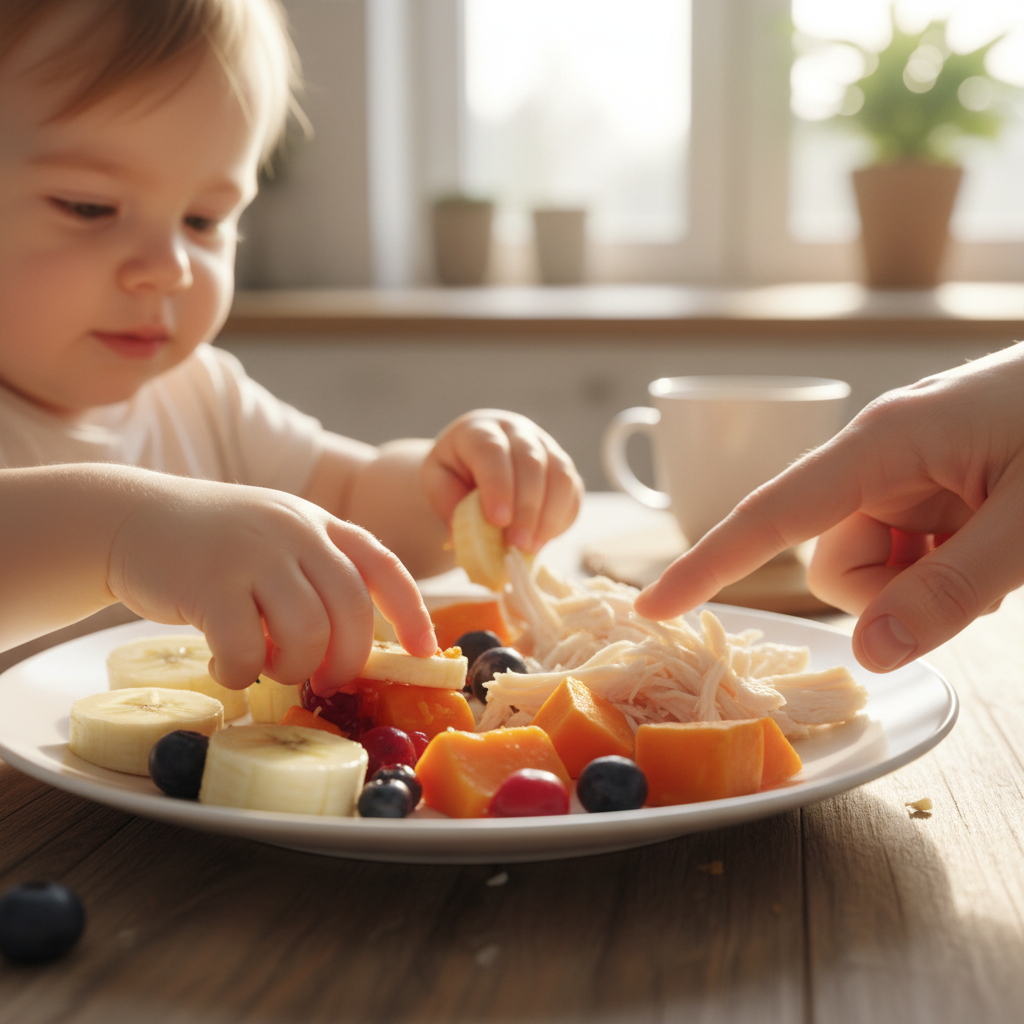
Body image can be significantly influenced by how we perceive and interact with food. Many people struggle with negative body image due to societal pressures and unrealistic beauty standards. Intuitive eating offers an alternative by shifting the focus from weight to overall well-being. It encourages individuals to appreciate their bodies for what they can do, rather than how they look.
By practicing intuitive eating, individuals often experience improved body image and self-esteem. This is because the approach promotes self-compassion and body acceptance. When you stop labeling foods as "good" or "bad," you begin to view your body more positively and appreciate its natural cues.

Principles of Intuitive Eating
The ten principles of intuitive eating serve as a roadmap for those looking to improve their relationship with food and body image. Some key principles include:
- Reject the Diet Mentality: Let go of diet culture and embrace a healthier mindset.
- Honor Your Hunger: Listen to your body's hunger signals and eat accordingly.
- Respect Your Body: Appreciate your body and treat it with kindness.
These principles encourage individuals to trust themselves and their bodies, fostering a more positive self-image and reducing the stress and anxiety associated with dieting.

Practical Steps to Start
Transitioning to intuitive eating can be a liberating experience, but it requires patience and practice. Here are some steps to help you get started:
- Eat Mindfully: Focus on the taste, texture, and enjoyment of your food.
- Listen to Your Body: Pay attention to hunger and fullness cues.
- Challenge Food Rules: Question any rigid rules you've associated with eating.
By gradually incorporating these practices into your daily routine, you can begin to develop a more positive relationship with food and your body.
The Emotional Benefits
Beyond physical health, intuitive eating offers emotional benefits that can enhance overall quality of life. Many individuals report feeling more in control and less stressed about food choices. This newfound freedom often leads to increased satisfaction and enjoyment in eating, as well as a stronger connection to one's body.
Moreover, intuitive eating can help diminish feelings of guilt and shame associated with eating. By fostering a more compassionate and understanding approach to food, individuals can cultivate a sense of empowerment and self-respect.
Conclusion
The connection between intuitive eating and body image is profound, offering a path to a healthier, more balanced lifestyle. By embracing intuitive eating principles, individuals can improve their relationship with food, nurture a positive body image, and experience greater overall well-being. Whether you're just starting your journey or looking to deepen your understanding, intuitive eating provides a sustainable and fulfilling way to approach nutrition and self-care.