Overcoming Common Misconceptions About Intuitive Eating


Intuitive eating has gained significant attention in recent years as a holistic approach to health and wellness. However, along with its rising popularity come several misconceptions that can cloud understanding and implementation. This post aims to clarify some of these common misunderstandings.
What Is Intuitive Eating?
Before diving into misconceptions, it’s essential to understand what intuitive eating truly entails. It is a philosophy centered around listening to your body's hunger cues, respecting your fullness, and fostering a positive relationship with food. Unlike traditional diets, intuitive eating does not impose restrictions or calorie counting.

Misconception 1: Intuitive Eating Is Just Another Diet
One of the most prevalent misconceptions is that intuitive eating is another diet. In reality, it’s quite the opposite. While diets focus on restriction and control, intuitive eating emphasizes freedom and flexibility. It encourages individuals to trust their bodies and eat when they’re hungry, rather than adhering to a strict regimen.
Unlike diets that have an end goal or time limit, intuitive eating is a sustainable lifestyle change that promotes long-term well-being. It’s about building a healthy relationship with food rather than seeking quick fixes.
Misconception 2: It Means Eating Anything and Everything
Another common misunderstanding is that intuitive eating means you can eat whatever you want without consideration. While it does allow for all foods, the key is to eat with intention and mindfulness. It involves tuning into your body’s signals and making choices that feel good physically and emotionally.
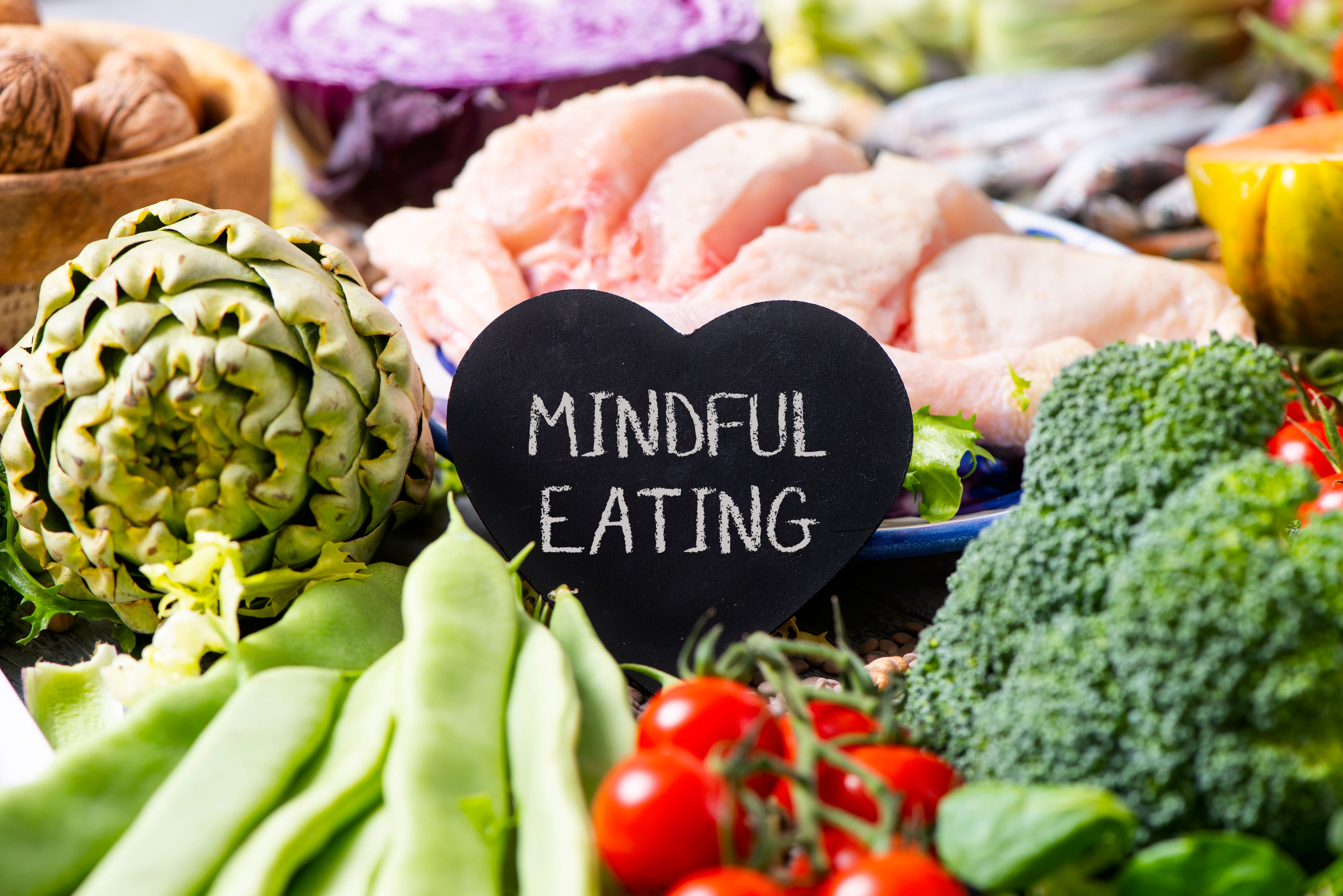
This approach encourages individuals to savor their meals and appreciate the experience rather than eating mindlessly. It’s not about indulgence; it’s about balance and understanding what your body truly needs.
Misconception 3: It’s Only for Those Who Struggle with Eating Disorders
While intuitive eating can be particularly beneficial for those recovering from eating disorders, it’s not limited to this group. Anyone can benefit from adopting this approach, as it fosters a healthier relationship with food and body image.
By focusing on internal cues rather than external pressures, individuals can cultivate a more fulfilling and balanced lifestyle. This makes intuitive eating accessible and beneficial for people with various health goals.

Misconception 4: It’s an Excuse to Avoid Healthy Eating
Some people believe that intuitive eating allows individuals to neglect nutrition. However, it encourages individuals to consider how food makes them feel, both mentally and physically. This often leads to making healthier choices naturally, as the body craves nourishment.
Intuitive eating does not demonize any food group but instead promotes a varied diet that includes a wide range of nutrients. It encourages enjoying all foods, including fruits, vegetables, and whole grains, within the context of a balanced diet.
Embracing Intuitive Eating
By understanding these misconceptions, individuals can approach intuitive eating with a clearer perspective. This mindset shift can lead to a healthier, happier relationship with food, free from the constraints and pressures of traditional dieting.
Embracing intuitive eating can be a transformative journey that empowers individuals to trust their bodies and make choices that honor their health and well-being. It’s about finding joy in food and nourishment, without guilt or restriction.