Mindful Eating: Seasonal Tips for a Balanced Relationship with Food


Mindful eating is about cultivating a balanced relationship with food, where we not only savor each bite but also pay attention to how our choices affect our body and mind. One way to enhance this practice is by aligning our eating habits with the seasons. Seasonal eating not only supports local agriculture but also provides our bodies with the nutrients they need at different times of the year.

Understanding the Benefits of Seasonal Eating
Eating seasonally involves consuming foods that are naturally harvested during specific times of the year. This approach offers numerous benefits, including fresher produce, more nutrients, and reduced environmental impact. When fruits and vegetables are in season, they are often at their peak flavor and nutritional value, providing us with a more satisfying eating experience.
Moreover, seasonal eating supports local farmers and reduces the carbon footprint associated with transporting out-of-season produce across long distances. By choosing seasonal foods, you contribute to a more sustainable food system.
Spring: Refresh and Renew
Spring is a time of renewal, making it the perfect season to incorporate fresh greens and vibrant vegetables into your diet. Foods such as asparagus, peas, and strawberries are abundant during this time, offering a boost of vitamins and minerals. These foods can help cleanse the body after the heavier meals typical of winter.
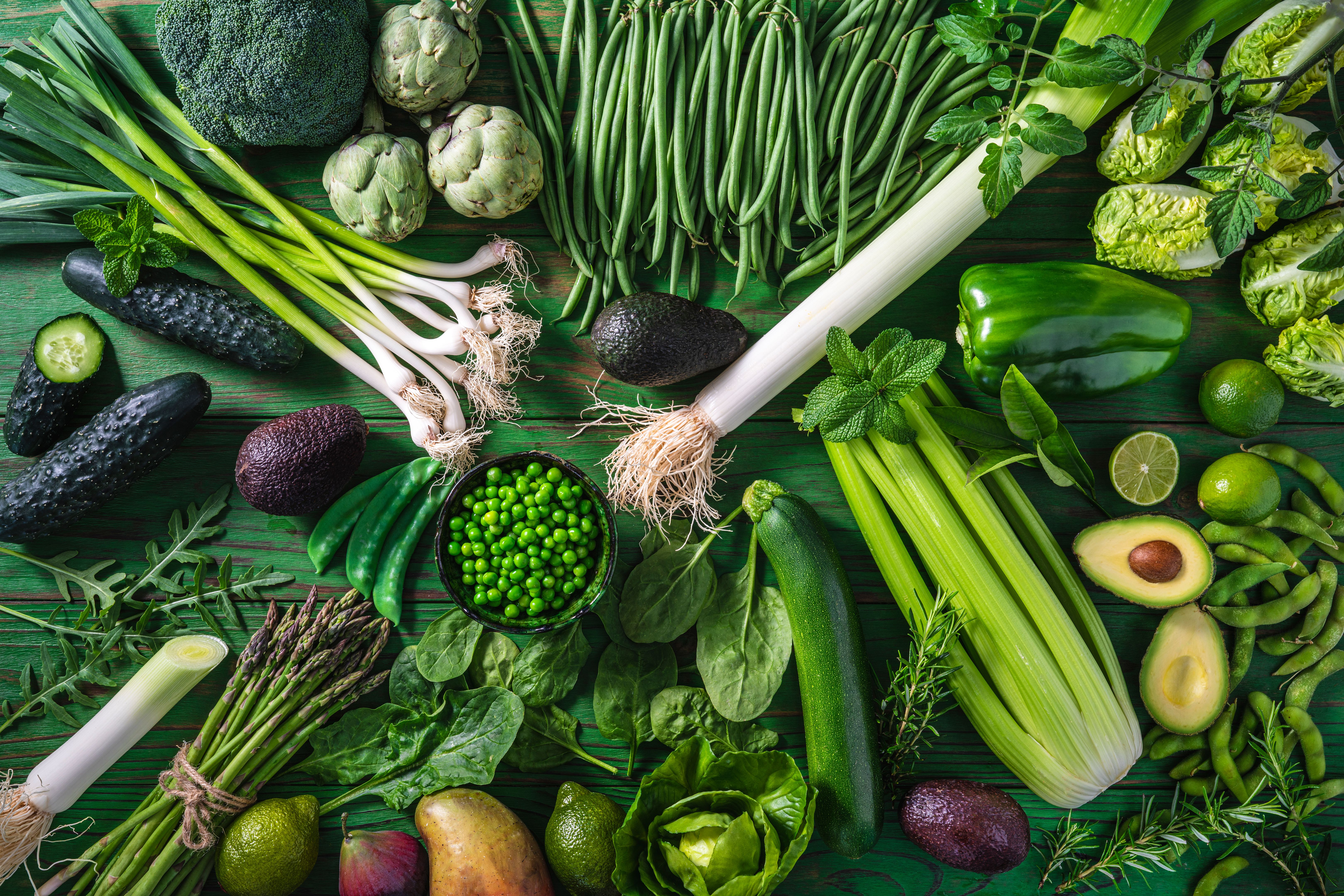
To embrace mindful eating in spring, focus on meals that are light and refreshing. Salads, smoothies, and lightly cooked vegetables are excellent choices. This approach not only aligns with the season but also supports your body's natural detoxification processes.
Summer: Stay Hydrated and Energized
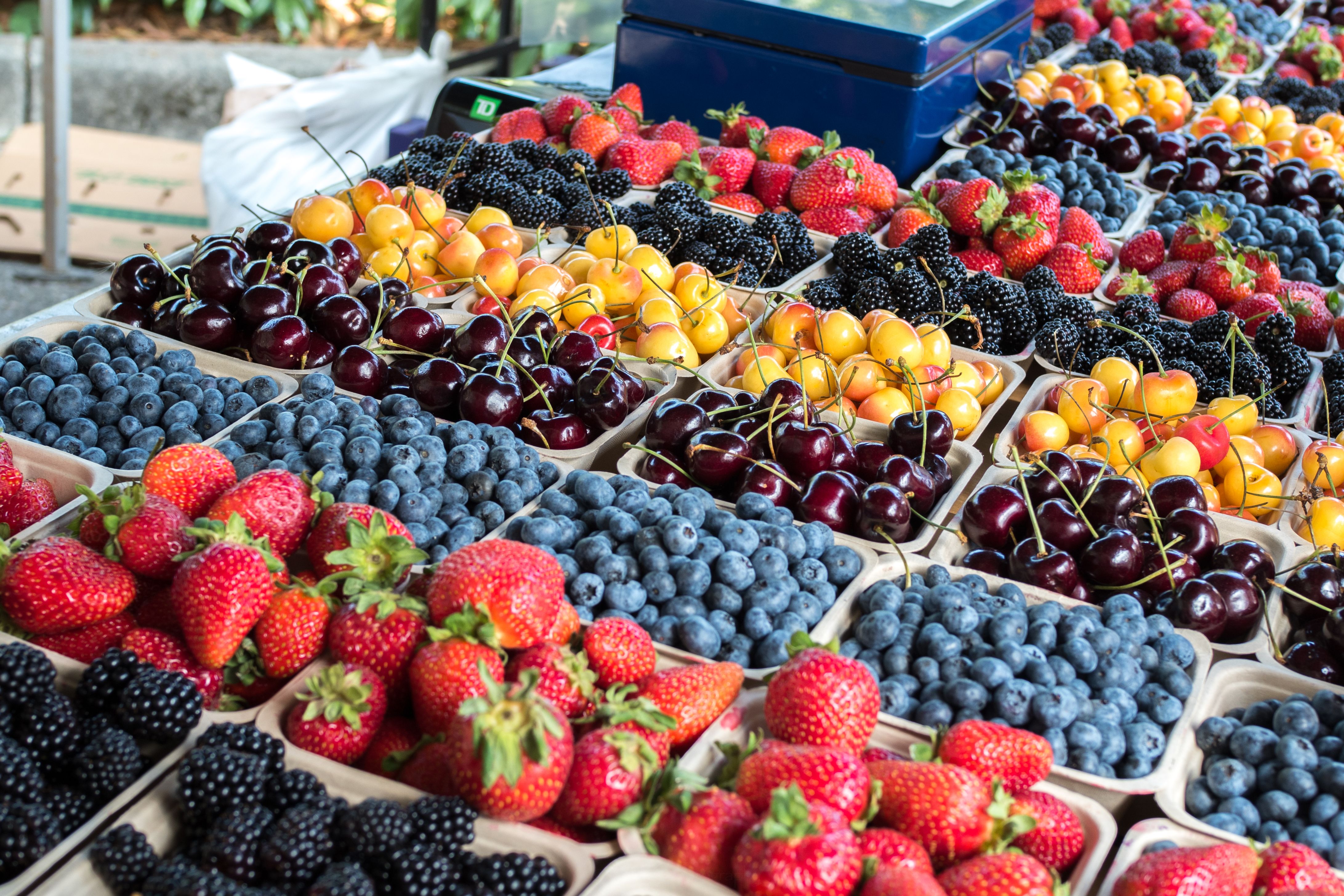
Summer brings a bounty of juicy fruits and vegetables, perfect for staying cool and hydrated. Watermelon, cucumbers, and tomatoes are not only delicious but also help maintain hydration levels during hot weather. These foods are rich in water content and electrolytes, keeping you energized throughout the day.
Consider incorporating more raw foods into your diet during summer to preserve the natural hydration and nutrients they offer. Grilled vegetables, fresh fruit salads, and chilled soups are excellent options for mindful, seasonal eating.
Autumn: Embrace Warmth and Comfort
As the temperatures begin to drop, our bodies crave warmth and comfort. Autumn is the perfect time to enjoy root vegetables like sweet potatoes, carrots, and pumpkins. These foods are hearty and satisfying, providing the energy needed to transition into the cooler months.
Mindful eating in autumn can involve savoring warm, nourishing meals such as stews, roasted vegetables, and spiced dishes that reflect the flavors of the season. These choices can create a sense of grounding and warmth, supporting emotional well-being.

Winter: Nourish and Sustain
Winter is a time for hearty, nutrient-dense foods that provide sustenance. Root vegetables, dark leafy greens, and citrus fruits are in season, offering vital nutrients that support immune health. Incorporating these foods into your meals can help you stay healthy and energized during the colder months.
Engage in mindful eating by preparing slow-cooked meals like soups, casseroles, and braised meats. These dishes not only provide comfort but also allow you to appreciate the depth of flavors achieved through longer cooking times.
Final Thoughts on Mindful Seasonal Eating
By aligning your eating habits with the seasons, you create a more harmonious relationship with food and the environment. Mindful eating encourages you to savor each bite, appreciate the journey from farm to table, and enjoy the natural rhythms of the earth. Embrace the flavors and benefits of seasonal foods, and you may discover a renewed appreciation for the nourishment they provide.