How to Transition from Dieting to Intuitive Eating: A Step-by-Step Guide


Understanding Intuitive Eating
Intuitive eating is a revolutionary approach that encourages you to listen to your body's hunger cues instead of following restrictive diets. It aims to foster a healthy relationship with food by promoting body awareness and self-trust. This shift can be challenging, especially if you have been dieting for years, but the benefits are substantial.

Recognize the Diet Mentality
The first step in transitioning to intuitive eating is recognizing and letting go of the diet mentality. This mindset often involves strict rules, calorie counting, and guilt surrounding food choices. Begin by identifying these thoughts and actively challenging them. Remember, food is not the enemy, and your worth is not determined by your diet.
Learn to Trust Your Hunger
Part of intuitive eating is learning to trust and recognize your hunger signals. This involves eating when you're hungry and stopping when you're satisfied, not when you're full. It can be helpful to keep a journal to track your hunger levels and the foods that satisfy you. Over time, this practice will help you become more attuned to your body's needs.
Practice Mindful Eating
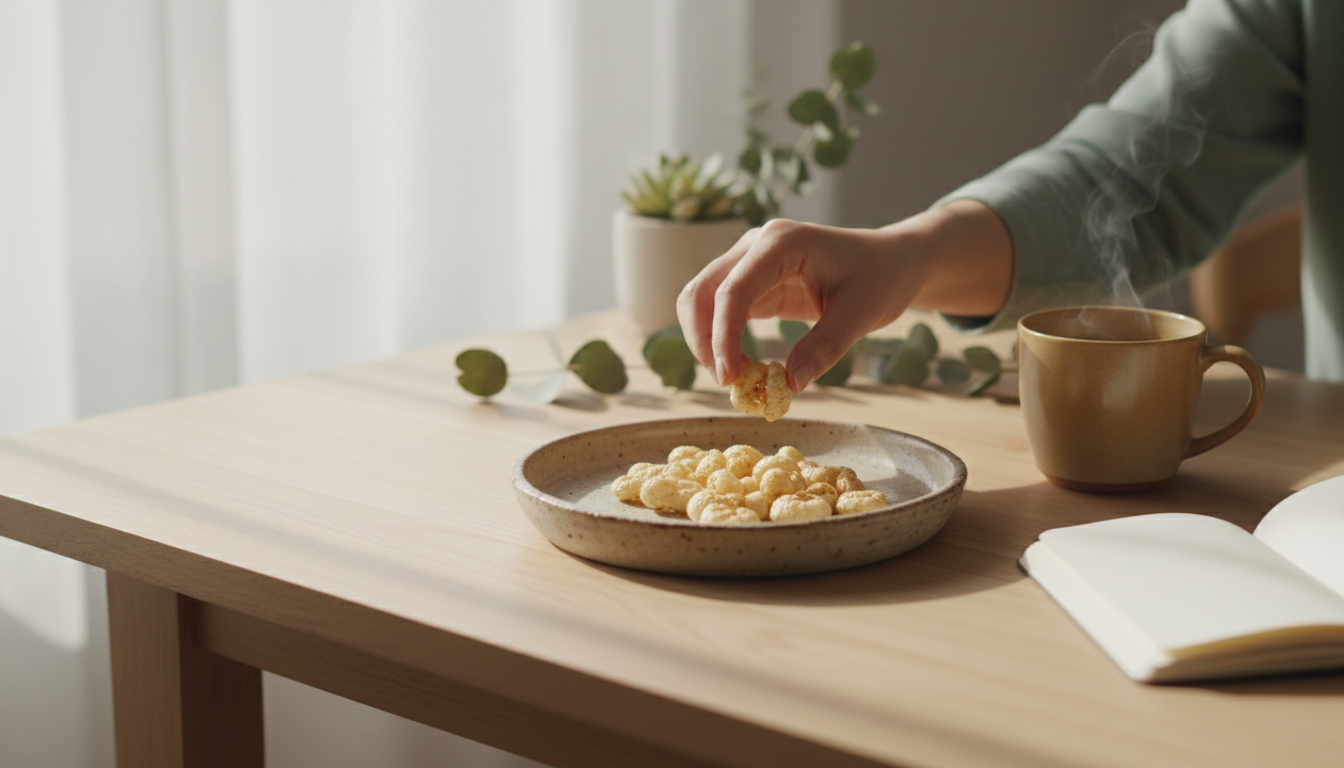
Mindful eating is an essential component of intuitive eating. This practice involves being present during meals, savoring each bite, and appreciating the flavors and textures of your food. Try to eliminate distractions like phones or TV during meals to fully focus on the eating experience. This awareness can enhance enjoyment and help regulate portion sizes naturally.
Challenge Food Rules
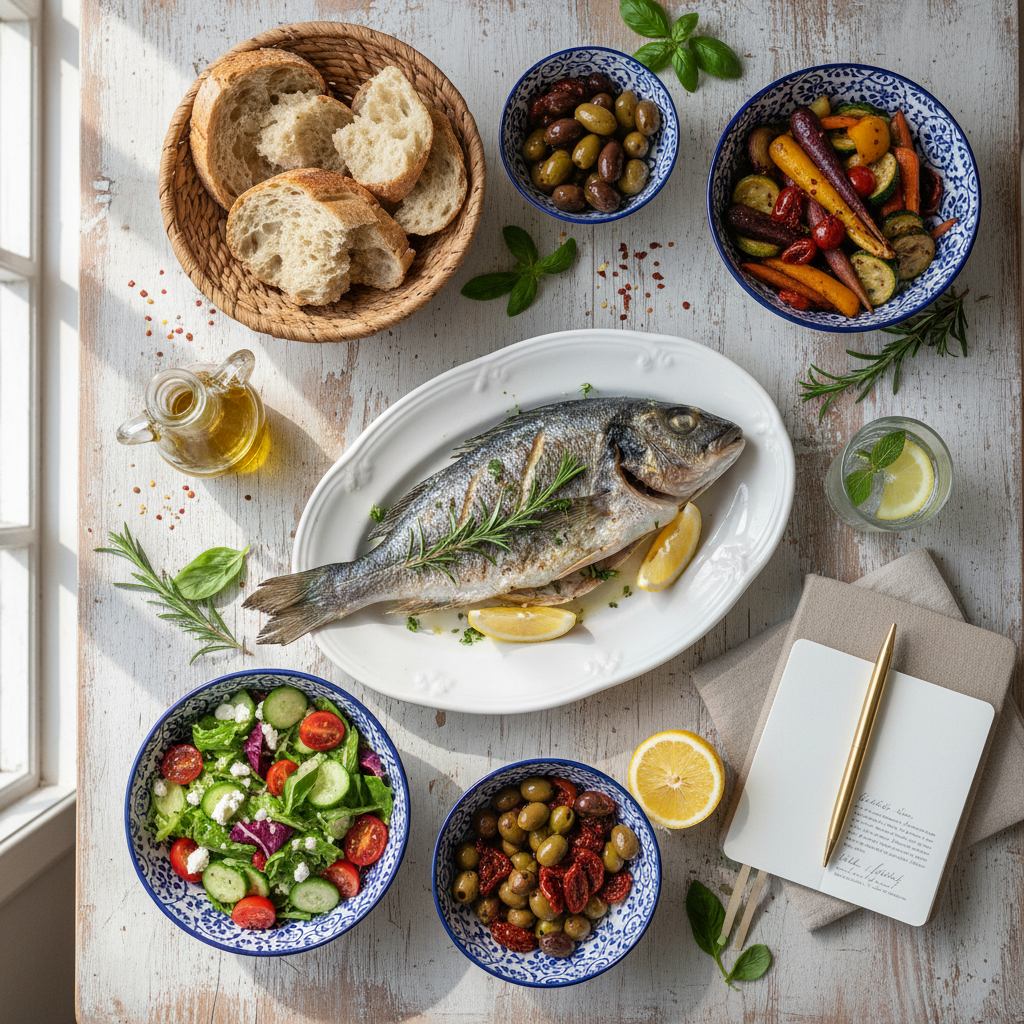
Dieting often comes with a set of rigid food rules. As you transition, begin to challenge these notions by allowing yourself to enjoy all types of food without guilt. Remind yourself that no food is inherently "good" or "bad." This mindset shift can help reduce cravings and lead to a more balanced approach to eating.
Embrace Body Positivity
Intuitive eating is closely linked with body positivity and acceptance. Focus on appreciating what your body can do rather than how it looks. This can involve practicing gratitude, engaging in activities that make you feel good, and surrounding yourself with positive influences. Remember, your journey is unique, and progress is personal.
Seek Support and Guidance
Transitioning to intuitive eating can be a significant change, and seeking support can be incredibly helpful. Consider reaching out to a nutritionist or joining a community of like-minded individuals. Sharing experiences and challenges can provide motivation and accountability as you navigate this new path.
Conclusion: A Lifelong Journey
Switching from dieting to intuitive eating is a lifelong journey that requires patience and self-compassion. Celebrate small victories and continue learning about your body's unique needs. By embracing this approach, you'll foster a healthier relationship with food and yourself, leading to lasting well-being.