How to Start Your Intuitive Eating Journey: Tips from Certified Counselors


Understanding Intuitive Eating
Intuitive eating is a revolutionary approach that encourages individuals to listen to their body's natural hunger and fullness cues rather than following restrictive diets. This practice fosters a healthier relationship with food by eliminating guilt and embracing body positivity. Certified counselors emphasize that intuitive eating can be a lifelong journey, deeply personal and transformative.
At its core, intuitive eating is about trusting your body. Often, societal pressures and diet culture can distort this natural trust. By tuning into our body's signals, we can begin to enjoy food without anxiety or fear.

Getting Started with Intuitive Eating
Embarking on an intuitive eating journey requires patience and self-compassion. Here are some steps recommended by certified counselors to help you begin:
- Reject the Diet Mentality: Let go of the idea that there’s a perfect diet or that you need to restrict yourself.
- Respect Your Hunger: Recognize and honor your natural hunger cues. Eating when you're hungry is essential.
- Make Peace with Food: Allow yourself to enjoy a variety of foods without labeling them as "good" or "bad."

Listening to Your Body
Listening to your body involves tuning into both physical and emotional signals. This means acknowledging feelings of hunger, fullness, and satisfaction, as well as recognizing emotional triggers that may lead to eating. Certified counselors suggest keeping a journal to track these signals and reflect on your eating habits.
Over time, this practice can help you differentiate between true hunger and emotional cravings. Remember, it's a gradual process that requires mindfulness and patience.
Overcoming Challenges
While intuitive eating can be liberating, it also presents challenges. Common obstacles include societal pressure to conform to certain body standards, emotional eating, and ingrained dieting habits. Here are some strategies to help you stay on track:
- Seek Support: Connecting with a support group or a certified counselor can provide guidance and encouragement.
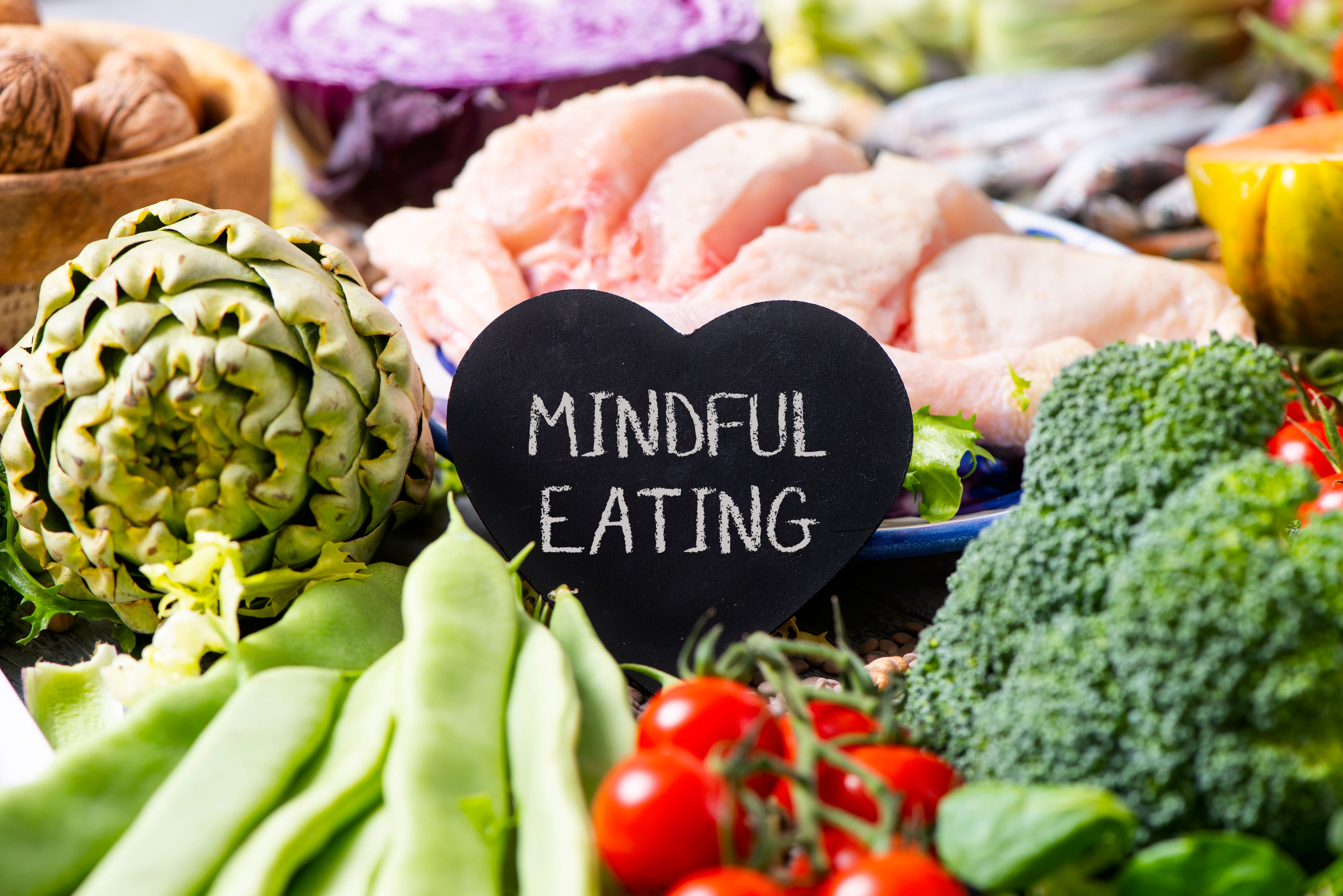
- Practice Mindfulness: Mindful eating techniques can help you become more aware of your eating patterns.
- Set Realistic Goals: Focus on gradual progress rather than perfection.
Celebrating Progress
It's important to celebrate small victories in your intuitive eating journey. Whether it's recognizing a hunger cue or resisting the urge to label food, these steps indicate progress. Certified counselors suggest rewarding yourself with non-food-related activities you enjoy, like taking a walk or reading a book.
By acknowledging these achievements, you reinforce positive behavior and build confidence in your ability to listen to your body.
Embracing Body Positivity
Intuitive eating goes hand-in-hand with body positivity. Embracing your body at every stage of your journey is crucial. This mindset shift can lead to greater self-acceptance and improved mental health.
Remember, your body is unique and deserves love and respect. By focusing on health and wellbeing rather than weight, you pave the way for a more fulfilling relationship with food.