How to Create a Supportive Environment for Intuitive Eating


Understanding Intuitive Eating
Intuitive eating is a philosophy that encourages individuals to make peace with food and listen to their body's natural hunger cues. Unlike traditional diets, which often involve restrictions and rules, intuitive eating focuses on internal signals to guide eating habits. This approach can lead to a healthier relationship with food and a more positive body image.
Creating a supportive environment for intuitive eating involves both mental and physical changes. By fostering a space that encourages mindful eating, you can better tune in to your body's needs and promote overall well-being.

Eliminate Food Labels
One of the first steps in creating a supportive environment for intuitive eating is to eliminate the concept of "good" and "bad" foods. Labeling foods can lead to guilt and anxiety, which are counterproductive to intuitive eating. Instead, focus on the nutritional value and how different foods make you feel.
Encourage a mindset of balance and moderation. By understanding that all foods can fit into a healthy diet, you reduce the pressure and stress associated with eating choices.
Stock Your Kitchen Mindfully
Another practical step is to stock your kitchen with a variety of foods that satisfy both nutritional needs and personal cravings. Having a range of options allows you to honor your hunger and respond to your body's signals without feeling restricted.

Practice Mindful Eating
Mindful eating is a crucial component of intuitive eating. It involves being present during meals and paying attention to the flavors, textures, and satisfaction that food provides. Avoid distractions like television or smartphones while eating, as they can detract from this experience.
Take the time to savor each bite and listen to your body's hunger and fullness cues. This practice not only enhances enjoyment but also helps prevent overeating.
Create a Positive Eating Space
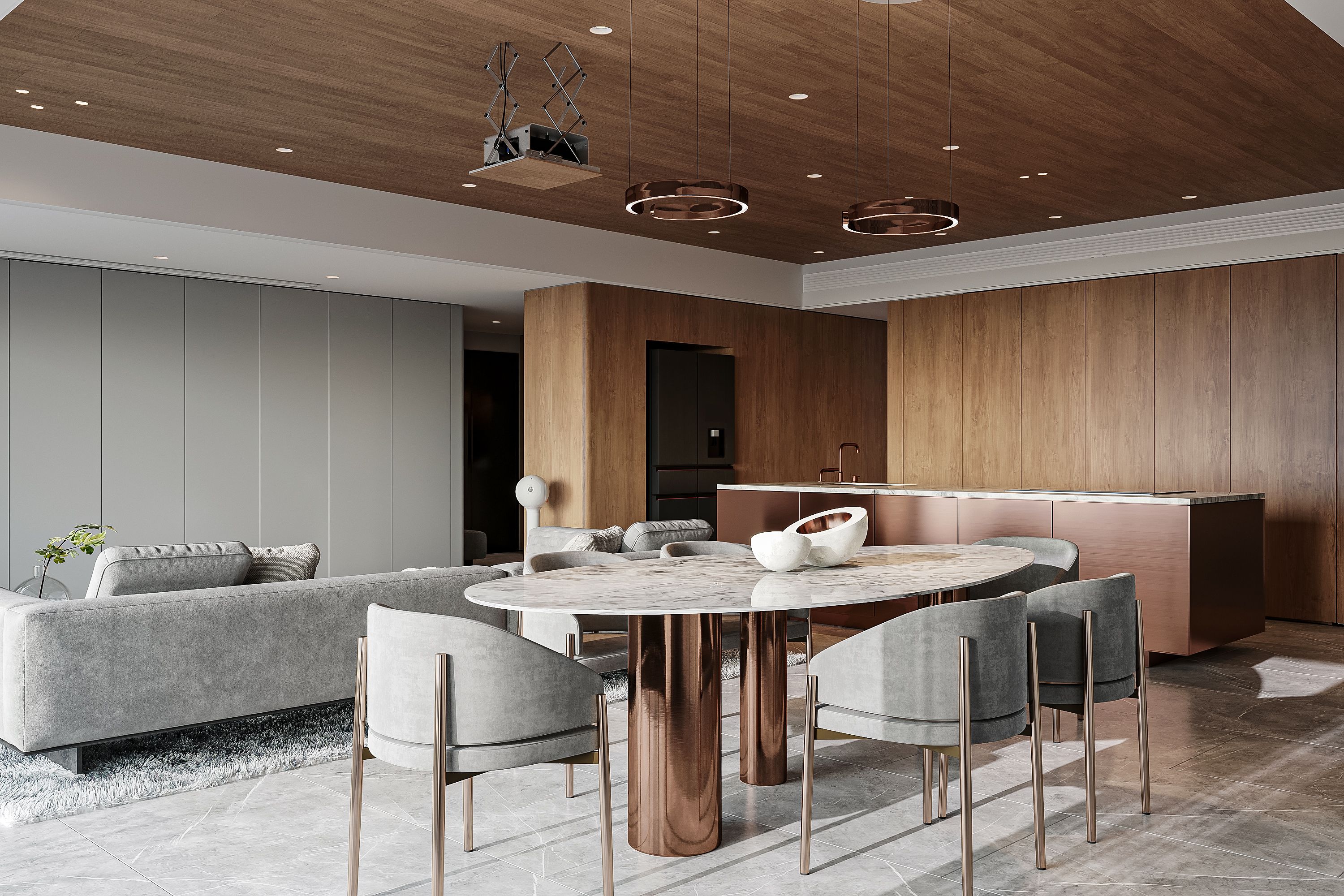
Designate a specific area in your home for meals that is clean, comfortable, and free from distractions. A positive eating space encourages relaxation and mindfulness, making it easier to connect with your body's needs.
Encourage Emotional Awareness
Emotional eating can often interfere with intuitive eating. It's important to differentiate between physical hunger and emotional hunger. Engage in activities that help process emotions without turning to food, such as journaling, exercise, or talking to a friend.
Building emotional awareness supports a more intuitive approach to eating, allowing you to respond to your body's true signals rather than external triggers.
Seek Support and Guidance
Transitioning to intuitive eating can be challenging, especially if you're used to dieting. Consider seeking support from a registered dietitian or therapist who specializes in this approach. They can provide personalized guidance and help address any underlying issues related to food and body image.
Creating a supportive environment for intuitive eating is a journey that requires patience and self-compassion. By making these changes, you can nurture a healthier relationship with food and your body.