How to Build a Healthy Relationship with Food: An Intuitive Eating Guide


Understanding Intuitive Eating
Intuitive eating is a philosophy that encourages listening to your body's natural hunger cues rather than following restrictive diets. It promotes a balanced approach to eating, allowing you to enjoy all foods without guilt. By focusing on what your body truly needs, you can develop a healthier relationship with food.
The Benefits of Intuitive Eating
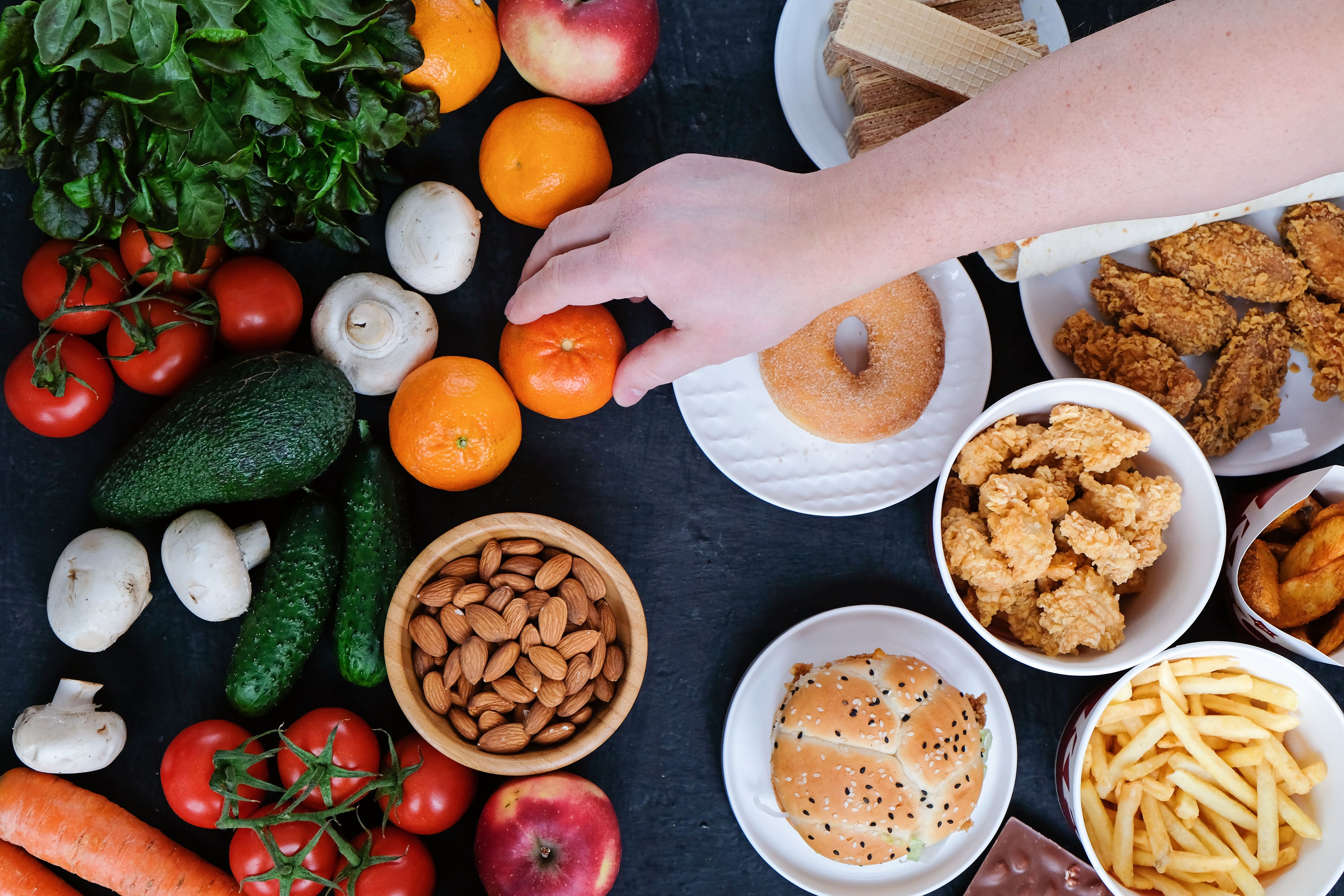
Adopting intuitive eating can lead to numerous benefits, both physically and mentally. It helps to reduce stress around food, increase self-esteem, and improve overall well-being. By embracing this approach, you can break free from the cycle of dieting and enjoy a more sustainable lifestyle.
Listening to Your Body
One of the key principles of intuitive eating is learning to listen to your body's hunger and fullness signals. This can be challenging at first, especially if you're used to ignoring these cues. Start by paying attention to how you feel before, during, and after meals. Are you eating out of hunger or habit?
Rejecting Diet Mentality
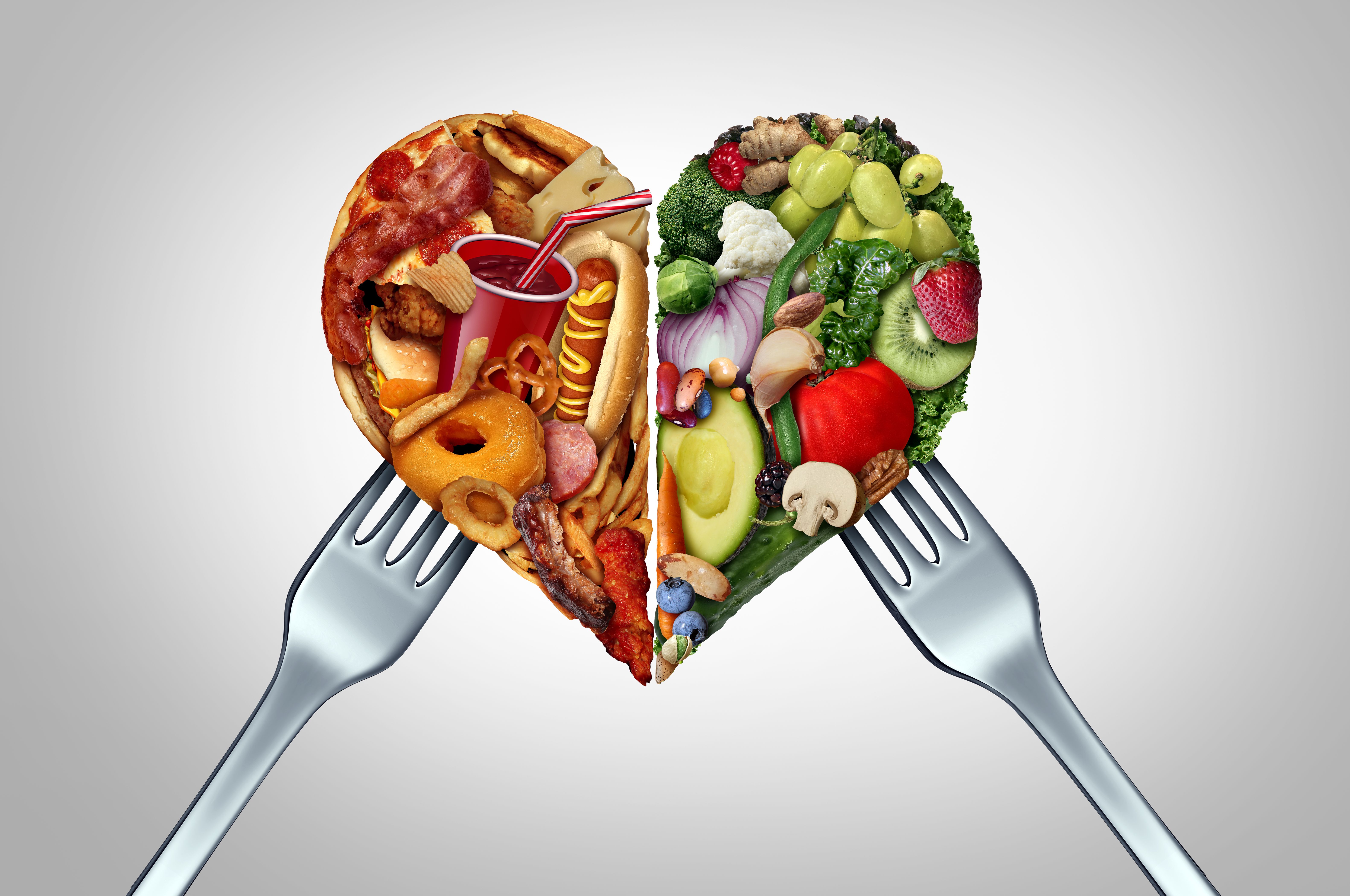
To fully embrace intuitive eating, it's essential to reject the diet mentality. This means letting go of the idea that certain foods are "bad" or "good." Instead, focus on how different foods make you feel. Allow yourself to enjoy all foods in moderation, without labeling them.
Practicing Mindful Eating
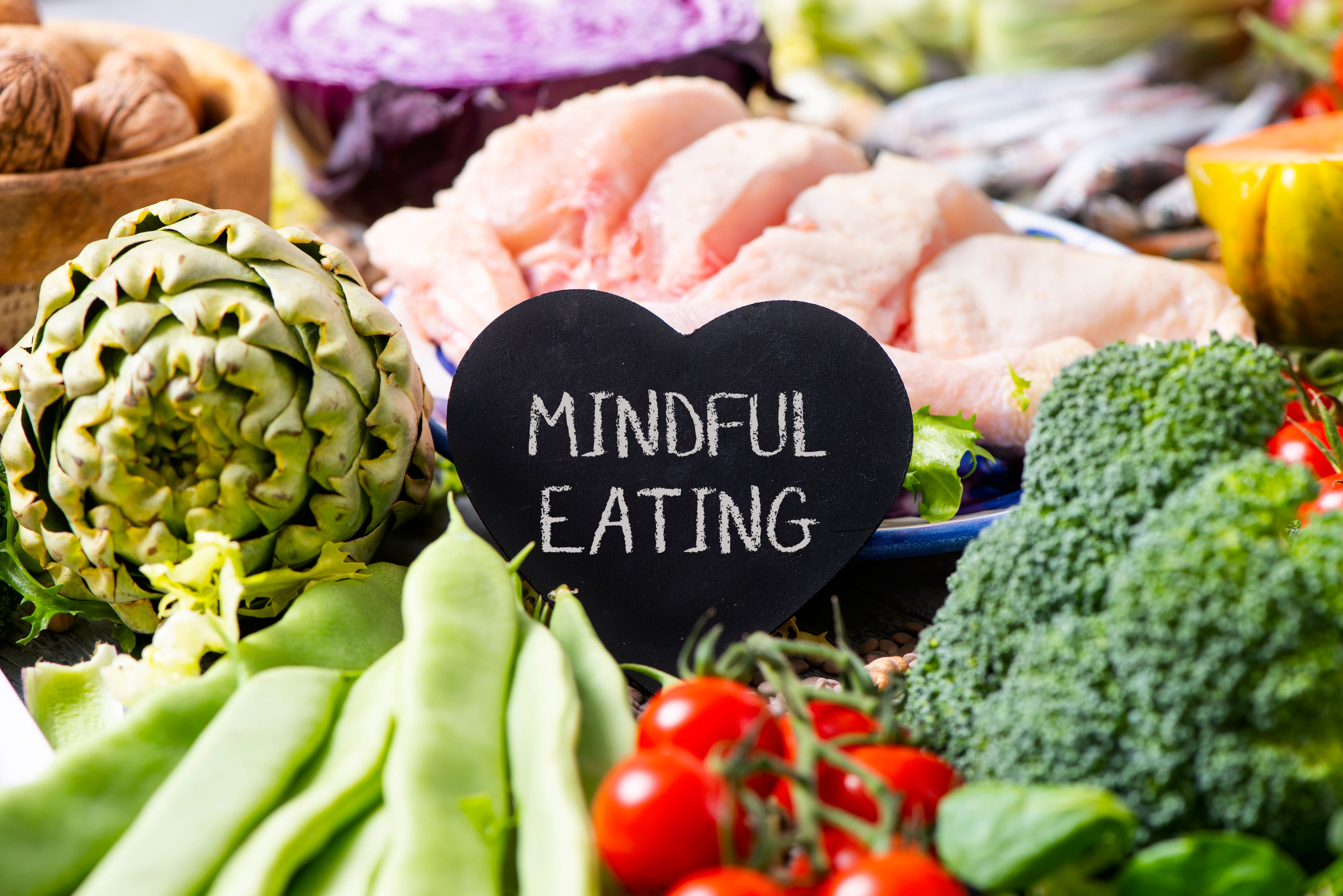
Mindful eating is a crucial component of intuitive eating. It involves being present during meals and savoring each bite. Try to eat without distractions, such as your phone or TV, and take the time to appreciate the flavors and textures of your food.
Honor Your Hunger and Fullness
Learning to recognize and honor your hunger and fullness cues is essential for intuitive eating. Eat when you are hungry and stop when you are comfortably full. This helps prevent overeating and allows you to enjoy your food without guilt.
- Recognize true hunger versus emotional hunger.
- Eat slowly and mindfully.
- Pause during meals to assess fullness.
Building a Positive Food Environment
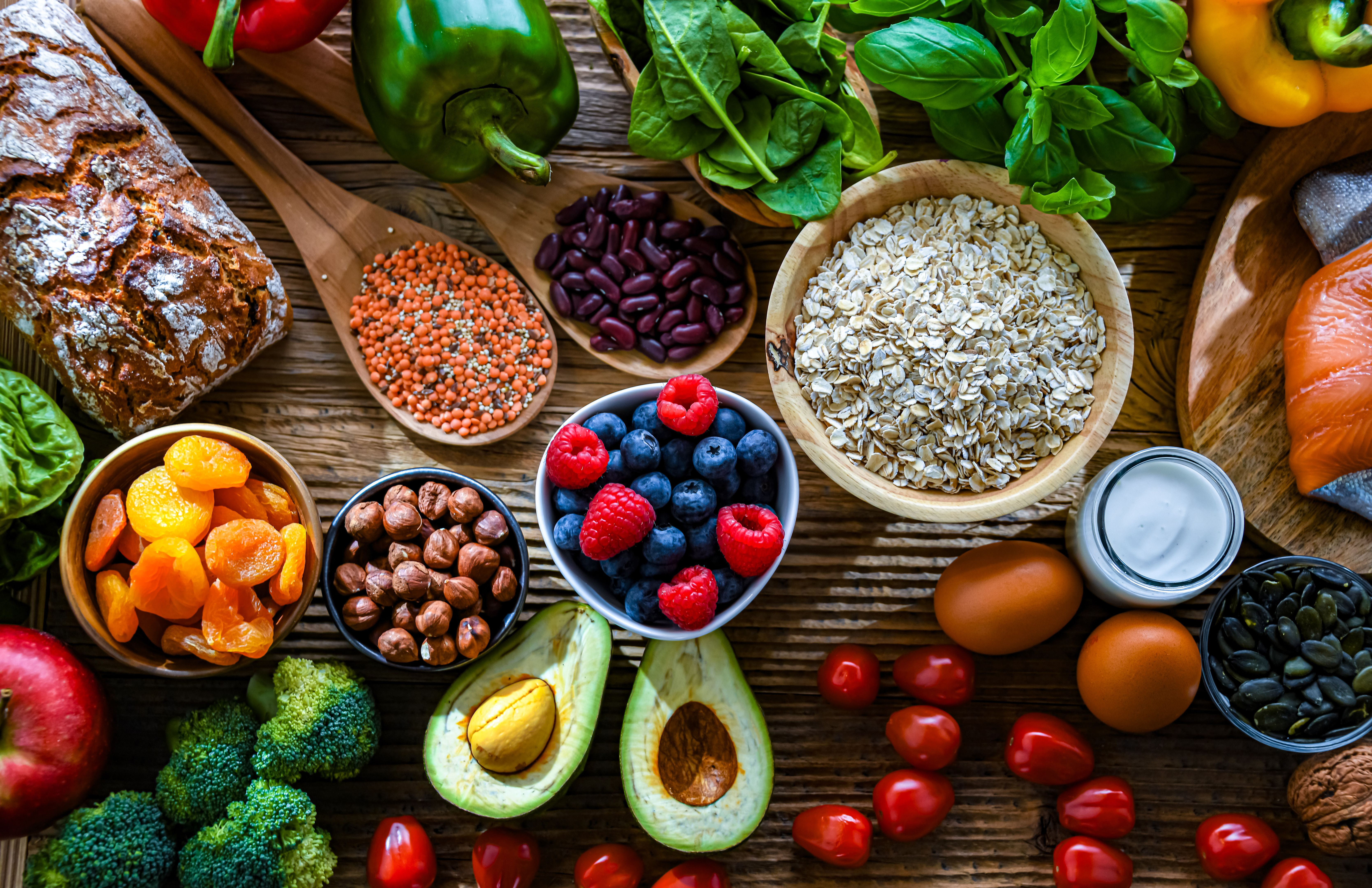
Creating a positive food environment is crucial for supporting intuitive eating. Surround yourself with foods that nourish your body and make you feel good. Keep a variety of foods on hand, and focus on balance rather than restriction.
Embrace Self-Compassion
Finally, embrace self-compassion in your journey toward intuitive eating. Remember that it's okay to have setbacks and that perfection is not the goal. Be kind to yourself and celebrate your progress, however small it may be.
- Forgive yourself for past dieting attempts.
- Focus on progress, not perfection.
- Celebrate small victories along the way.