Expert Tips for Managing Emotional Eating During Stressful Times


Emotional eating is a common response to stress, often leading to unhealthy eating patterns and guilt. Understanding how to manage emotional eating during stressful times can help maintain both mental and physical well-being.
Understanding Emotional Eating
Emotional eating involves consuming food in response to feelings rather than hunger. Stress, anxiety, and sadness can trigger this behavior, leading you to seek comfort in food. Recognizing these triggers is the first step in managing emotional eating.

Identify Your Triggers
To effectively manage emotional eating, you need to identify what prompts it. Consider keeping a journal to track your eating habits, noting the emotions and situations that lead to overeating. This can help you recognize patterns and develop strategies to cope with them.
Once you identify triggers, develop a list of alternative activities to distract yourself. These could include going for a walk, practicing meditation, or engaging in a hobby.
Implement Mindful Eating Practices
Mindful eating involves paying full attention to the experience of eating and savoring each bite. This practice can help you become more aware of your hunger and satiety cues, reducing the tendency to eat in response to emotions.
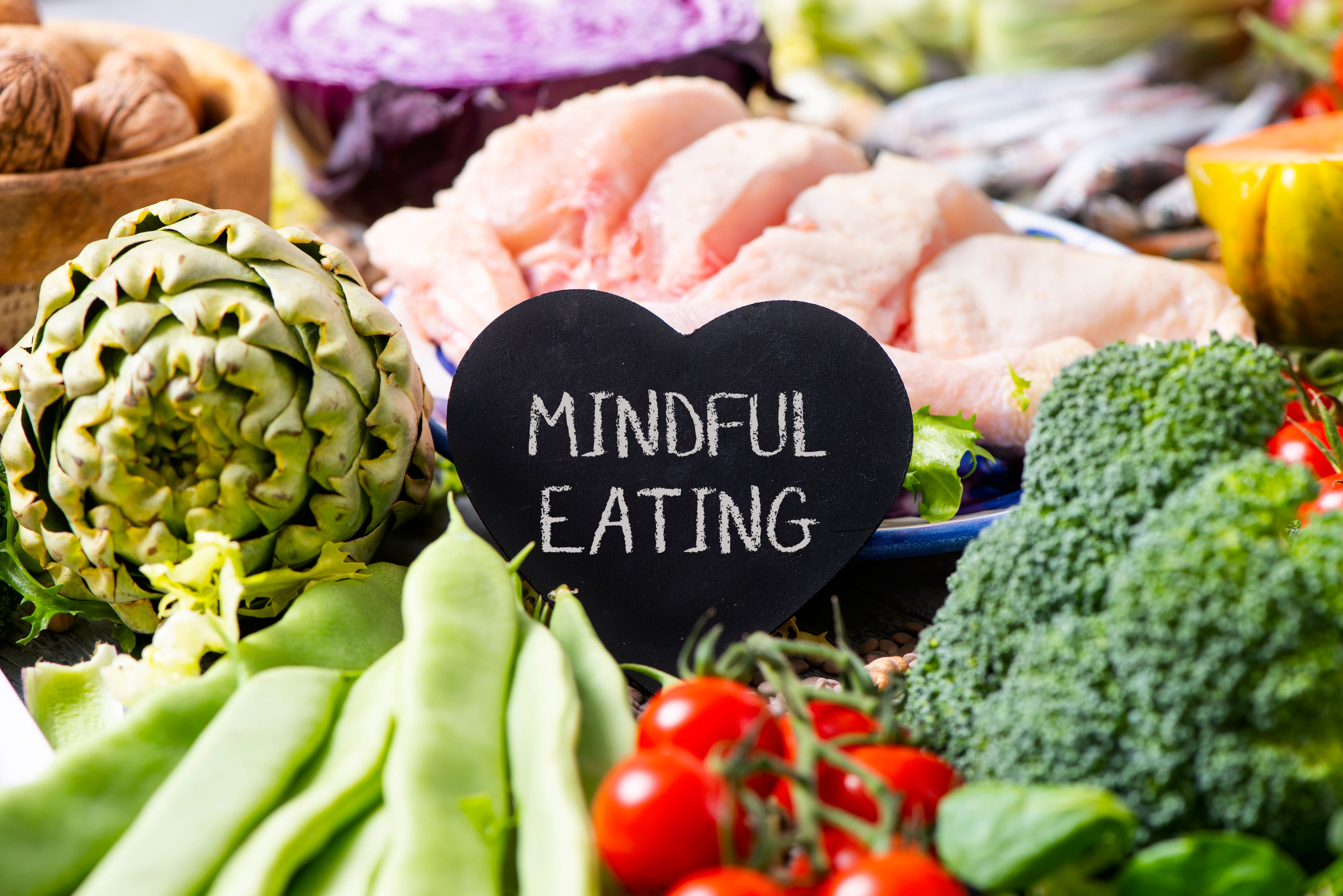
Techniques for Mindful Eating
Here are some techniques to incorporate mindful eating into your routine:
- Eat slowly and chew thoroughly.
- Focus on the flavors, textures, and aromas of your food.
- Avoid distractions like TV or smartphones while eating.
Develop Healthy Coping Mechanisms
Finding healthy ways to cope with stress can significantly reduce emotional eating. Regular physical activity, adequate sleep, and relaxation techniques such as yoga or deep breathing exercises can enhance your resilience to stress.

Consider seeking support from friends, family, or professionals. Sometimes, talking about your feelings can provide relief and prevent emotional eating episodes.
Set Realistic Goals
Setting achievable goals can provide a sense of control and accomplishment. Instead of attempting drastic changes, focus on small, manageable steps such as incorporating more fruits and vegetables into your meals or reducing portion sizes.
Remember that progress takes time, and setbacks are part of the journey. Be kind to yourself and celebrate your successes, no matter how small.
Seek Professional Help if Needed
If emotional eating persists despite your efforts, consider seeking professional help. Nutritionists, therapists, and counselors can offer personalized strategies and support to address the root causes of emotional eating.
Managing emotional eating during stressful times requires patience and persistence. By understanding your triggers, practicing mindful eating, and developing healthy coping mechanisms, you can navigate stress without turning to food for comfort.