Debunking Myths About Intuitive Eating and Eating Disorders


Understanding Intuitive Eating
Intuitive eating is a concept that encourages individuals to trust their body's hunger signals and eat accordingly. This approach is gaining popularity as an alternative to traditional dieting, which often emphasizes restriction and control. However, several myths persist about intuitive eating, especially in relation to eating disorders.

Myth 1: Intuitive Eating Is Just Another Diet
One of the most common misconceptions is that intuitive eating is simply another form of dieting. In reality, intuitive eating is not about weight loss or restriction. Instead, it focuses on honoring your hunger and fullness cues, promoting a healthier relationship with food.
Unlike diets that often have rigid rules, intuitive eating encourages flexibility and self-compassion. It allows you to eat what you enjoy without guilt, fostering a more sustainable approach to nutrition.
Myth 2: Intuitive Eating Is Not Suitable for Those with Eating Disorders
Some believe that intuitive eating is not appropriate for individuals struggling with eating disorders. However, many experts support its use as part of recovery. Intuitive eating can help rebuild trust in one's body and promote a more positive mindset towards food.
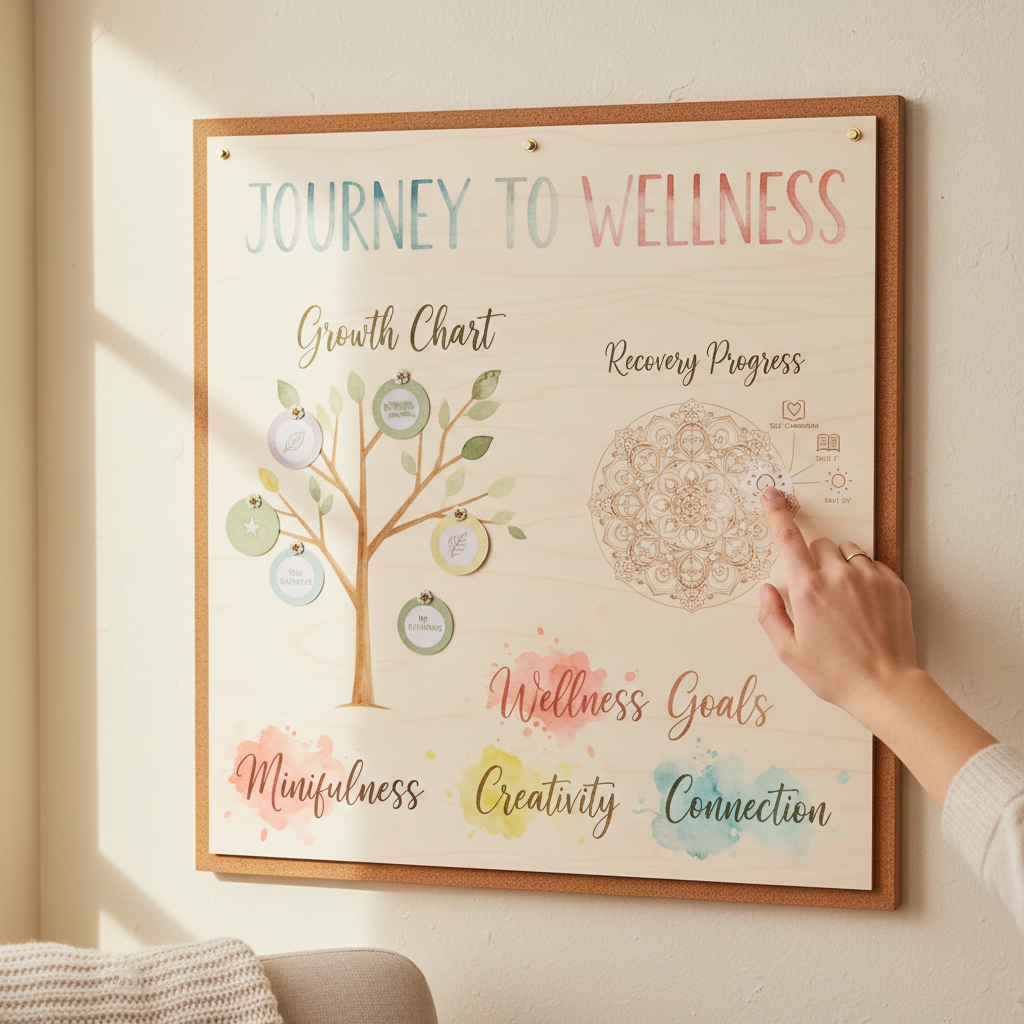
It's important to note that those with eating disorders should seek guidance from healthcare professionals. A registered dietitian or therapist can provide personalized support and ensure that intuitive eating is integrated safely into recovery plans.
Intuitive Eating and Health
Another common myth is that intuitive eating disregards health. On the contrary, intuitive eating emphasizes listening to your body's needs, which can lead to healthier eating habits naturally. This approach discourages emotional eating and promotes mindful choices.

Myth 3: You Can Eat Anything, Anytime
While intuitive eating allows for flexibility, it doesn't mean indulging without consideration. The goal is to respond to hunger and fullness cues, not to eat impulsively. Intuitive eating encourages awareness and mindfulness, helping individuals make informed decisions about food.
By focusing on internal cues rather than external rules, intuitive eaters can enjoy a variety of foods while maintaining balance and satisfaction.
Conclusion
Intuitive eating offers a refreshing perspective on food and nutrition, free from the constraints of traditional dieting. By debunking these myths, we can better understand how intuitive eating supports both physical and mental health, especially for those recovering from eating disorders.
Embracing intuitive eating requires patience and practice, but it can lead to a healthier, more enjoyable relationship with food.