Debunking Myths: Intuitive Eating vs. Dieting


Understanding Intuitive Eating
Intuitive eating is a concept that encourages people to trust their body's hunger signals and make food choices that feel right for them. Unlike traditional diets that focus on strict rules, intuitive eating promotes a more relaxed and natural approach to food. It empowers individuals to eat based on physical cues rather than emotional triggers or societal pressures.
At its core, intuitive eating is about reconnecting with the body's innate wisdom. It involves listening to hunger and fullness cues, appreciating the flavors and textures of food, and letting go of guilt associated with eating. This approach fosters a healthier relationship with food and can lead to improved mental and physical well-being.

Myth 1: Intuitive Eating Means Eating Anything, Anytime
One common myth is that intuitive eating allows for unchecked indulgence. However, this is a misconception. While intuitive eating does encourage freedom in food choices, it also emphasizes mindful consumption. The goal is to find balance and satisfaction in eating, not to eat recklessly.
Practicing intuitive eating involves being present during meals, savoring each bite, and recognizing when you are truly hungry or full. It's about making conscious decisions that honor your body's needs while also enjoying the pleasures of eating.
Myth 2: Dieting Is the Only Way to Achieve Health Goals
Many believe that dieting is the most effective method for achieving health and fitness goals. However, this is not always the case. Diets often impose restrictions that can lead to feelings of deprivation and may not be sustainable long-term. Intuitive eating, on the other hand, promotes a balanced lifestyle that can support health without the need for rigid rules.
Research has shown that intuitive eating can improve various health markers, including metabolism, mental health, and overall quality of life. By focusing on body awareness and self-compassion, intuitive eating encourages a more holistic approach to health.

Myth 3: Intuitive Eating Cannot Lead to Weight Loss
Another myth is that intuitive eating cannot help with weight management. While it is true that intuitive eating does not focus primarily on weight loss, it can lead to a natural and healthy weight for your body. By tuning into your body's signals, you may find that your weight stabilizes where it is meant to be.
The emphasis on self-care and body respect in intuitive eating often leads to positive changes in eating habits, which can result in weight changes for some individuals. However, the primary goal remains overall well-being rather than a specific number on the scale.
Practicing Intuitive Eating
Embracing intuitive eating involves several key principles, such as:
- Rejecting the diet mentality.
- Honoring your hunger.
- Making peace with food.
- Respecting your fullness.
These principles guide individuals towards a more compassionate and understanding relationship with food and their bodies. By practicing intuitive eating, you can foster a sense of freedom and joy in eating that dieting often lacks.
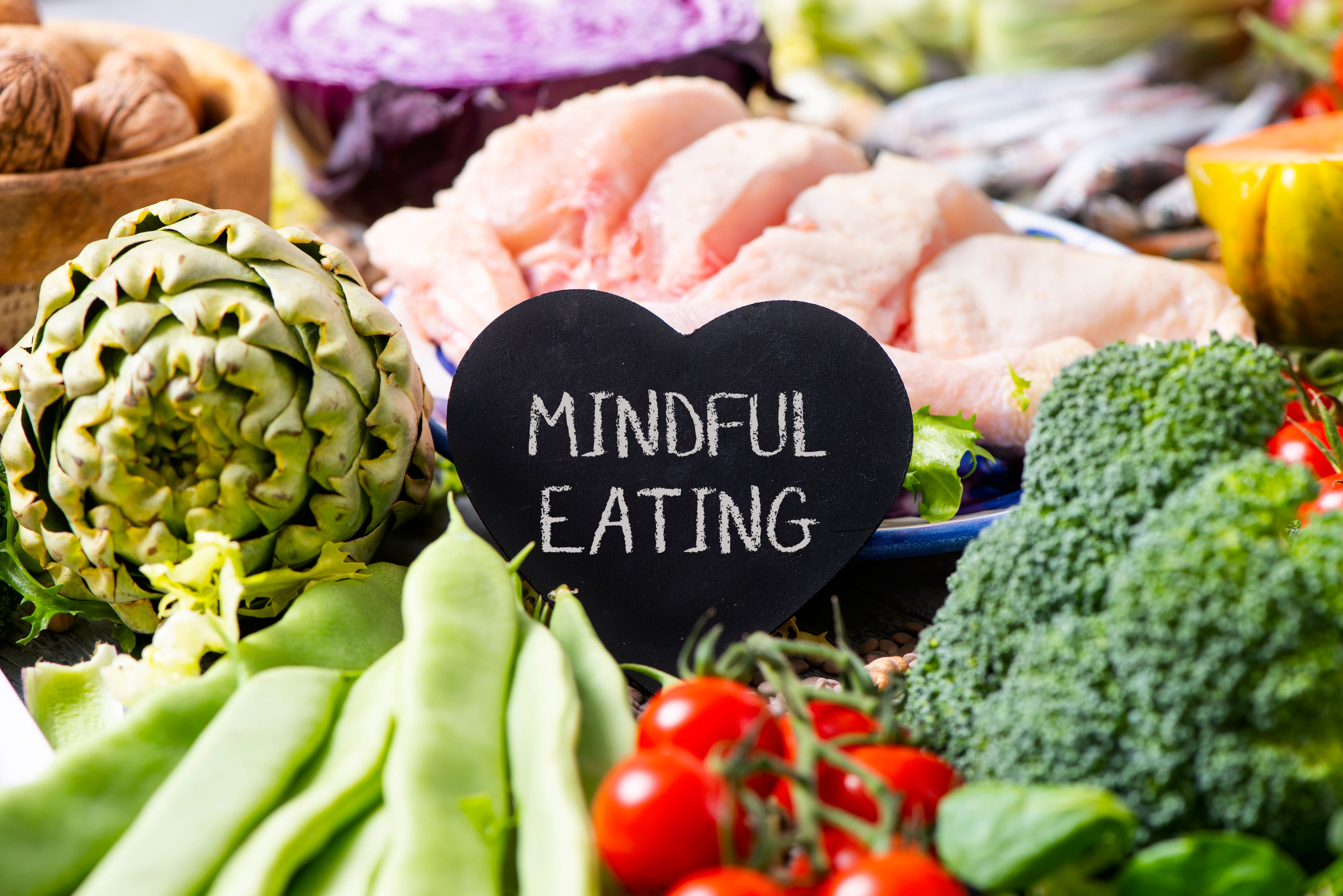
Conclusion: A Balanced Approach
Debunking the myths surrounding intuitive eating and dieting reveals the importance of a balanced approach to health and nutrition. While dieting might offer short-term results, intuitive eating provides a sustainable path towards a healthier lifestyle.
By focusing on internal cues and prioritizing self-care, intuitive eating encourages individuals to nurture their bodies and minds. This approach not only supports physical health but also enhances emotional and mental well-being, offering a more comprehensive path to wellness.