Common Myths About Intuitive Eating and Food Addiction Debunked


Understanding Intuitive Eating
Intuitive eating is a philosophy that rejects traditional dieting and promotes a healthy relationship with food. Despite its growing popularity, many misconceptions surround it. One common myth is that intuitive eating means eating whatever you want, whenever you want. However, this approach is about listening to your body's hunger and fullness cues, not about indulging in cravings without thought.
Another myth is that intuitive eating leads to weight gain. In reality, this practice often helps individuals stabilize their weight, as it encourages a balanced approach to nutrition rather than restriction. By trusting your body's signals, you can maintain a healthy weight naturally.

Myth: Food Addiction is the Same as Substance Addiction
Food addiction is often compared to substance addiction, but they are not identical. The brain's reward system is indeed activated by both food and substances, leading to cravings. However, labeling overeating as an addiction oversimplifies the complexity of eating behaviors and emotional triggers.
It's important to recognize that emotional eating and food addiction may be rooted in psychological issues. Addressing these underlying problems, rather than just the symptoms, can lead to a healthier relationship with food.

Debunking the Myth of "Good" and "Bad" Foods
One of the biggest myths perpetuated by diet culture is the classification of foods as "good" or "bad." This binary thinking can lead to feelings of guilt and shame, which are counterproductive to achieving a balanced diet. Intuitive eating encourages a focus on how different foods make you feel and how they nourish your body.
Instead of labeling foods, consider their nutritional value and how they fit into your overall lifestyle. By doing so, you can enjoy a variety of foods without the negative emotional impact.
- Recognize that all foods can fit into a healthy diet.
- Focus on moderation and mindfulness.
- Understand that occasional indulgences are part of a balanced approach.

The Role of Mindfulness in Intuitive Eating
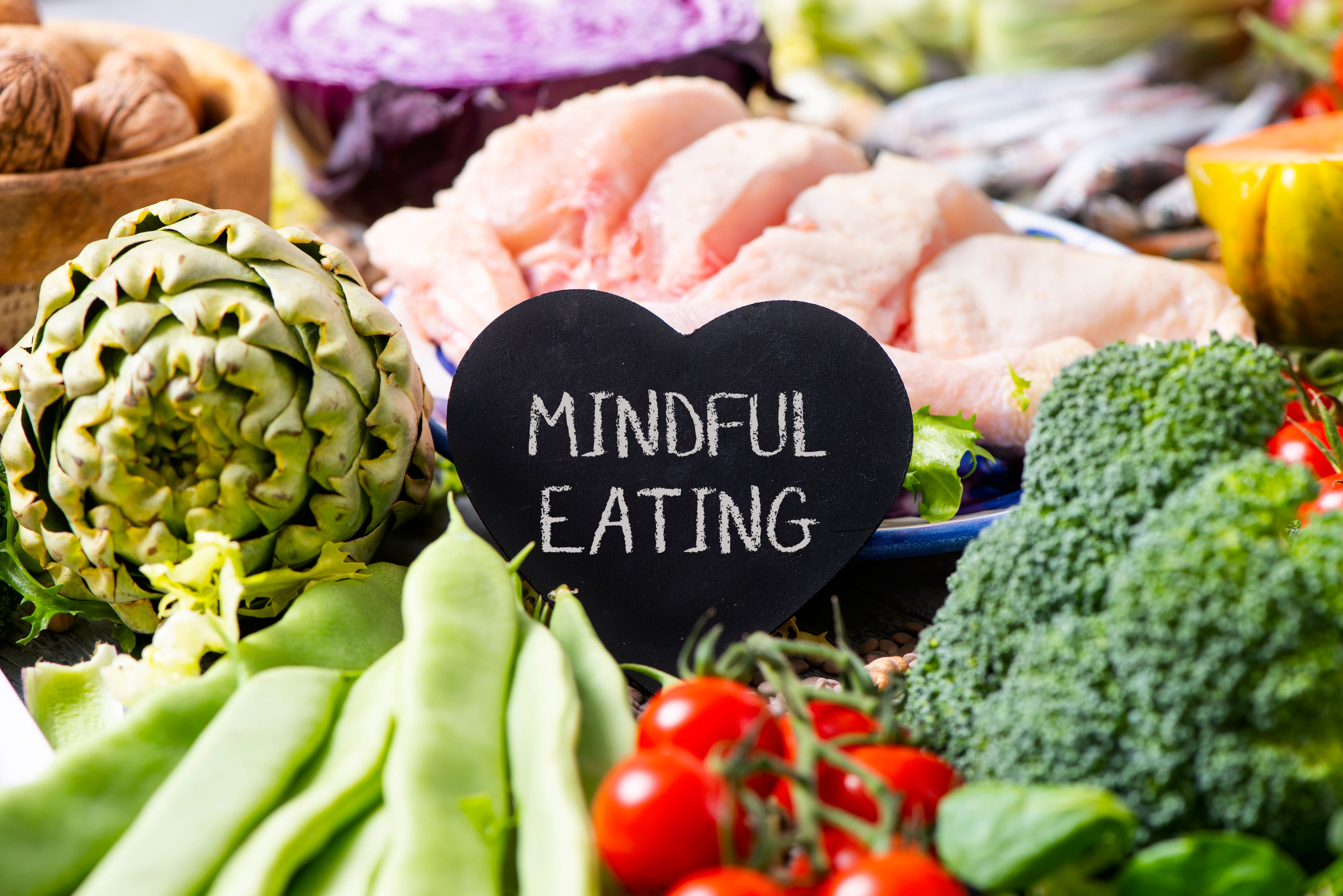
Mindfulness plays a crucial role in intuitive eating. By being present during meals, you can better tune into your body's signals and make informed choices about what and how much to eat. Mindfulness helps break the cycle of emotional eating by encouraging you to focus on the experience of eating itself, rather than external distractions.
Practicing mindfulness can involve simple steps like eating slowly, savoring each bite, and avoiding multitasking during meals. These practices can lead to more satisfying eating experiences and improved overall health.