Building a Healthy Relationship with Food: Intuitive Eating Tips for Beginners


Understanding Intuitive Eating
Intuitive eating is a revolutionary approach that shifts the focus from dieting to building a healthy relationship with food. It encourages you to listen to your body's natural hunger cues and eat what feels right for you. This practice helps foster a positive mindset around food, promoting both physical and mental well-being.

The Principles of Intuitive Eating
There are ten core principles of intuitive eating that guide individuals towards a healthier relationship with food. These include rejecting the diet mentality, honoring your hunger, making peace with food, and challenging the food police. Embracing these principles can help you break free from restrictive eating patterns.
Some other key principles include respecting your fullness, discovering the satisfaction factor, and coping with your emotions without using food. By understanding and applying these principles, you can develop a more balanced and nourishing approach to eating.
Practical Tips for Beginners
For those new to intuitive eating, getting started can feel overwhelming. Begin by tuning into your body's hunger signals. Ask yourself: Are you truly hungry, or are you eating out of boredom or emotion? This self-awareness is crucial in distinguishing between physical hunger and emotional cravings.
Mindful Eating Practices
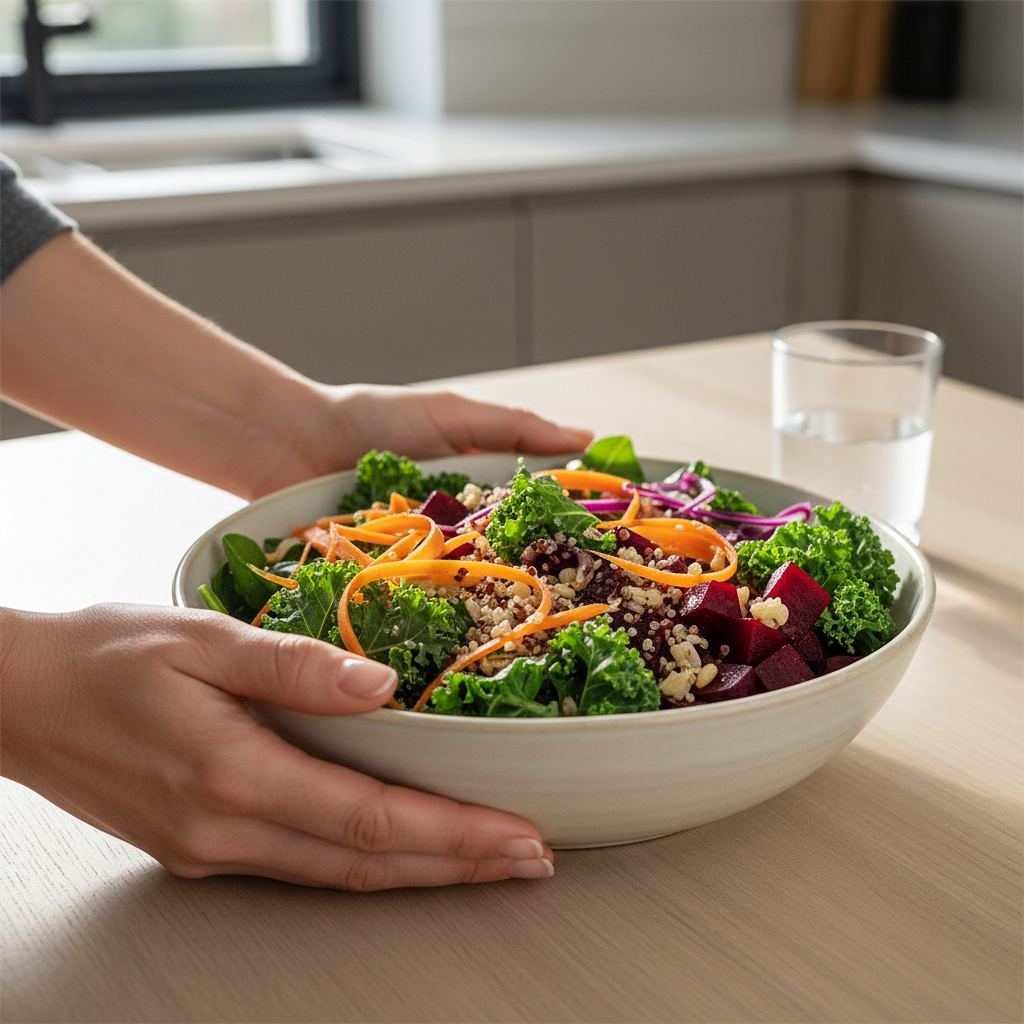
Mindful eating is an essential component of intuitive eating. It involves paying full attention to the experience of eating, savoring each bite, and appreciating the flavors, textures, and aromas of your food. This practice encourages you to slow down and enjoy your meals, leading to greater satisfaction and less overeating.
Try eating without distractions, such as television or smartphones, to fully engage with your meal. This helps you become more attuned to your body's signals and enhances the overall eating experience.
Overcoming Challenges
Transitioning to intuitive eating can be challenging, especially if you have a history of dieting. One common obstacle is the fear of losing control and overeating. Remember, it's normal to experience fluctuations in eating habits, and practicing self-compassion is key.

Seeking Support
Consider seeking support from a registered dietitian or a nutritionist familiar with intuitive eating. They can provide personalized guidance and help you navigate obstacles. Additionally, joining a community or support group can offer motivation and encouragement as you embark on this journey.
Building a healthy relationship with food takes time, patience, and practice. By embracing intuitive eating, you can cultivate a more harmonious and fulfilling connection with your body and the food you eat.