5 Common Myths About Intuitive Eating Debunked by Experts


Understanding Intuitive Eating
Intuitive eating has gained attention as a revolutionary approach to food and body image. However, with its rise in popularity, several myths have emerged that can mislead those interested in adopting this lifestyle. Let's explore and debunk some of the most common myths according to experts.

Myth 1: Intuitive Eating Means Eating Whatever You Want, Whenever You Want
Many believe intuitive eating is synonymous with indulging in all cravings without restraint. While it encourages listening to your body's hunger signals, it's not a free pass to eat recklessly. Intuitive eating focuses on honoring your hunger and fullness cues and making mindful food choices.
Experts stress the importance of distinguishing between physical hunger and emotional eating. This distinction allows individuals to enjoy their meals without guilt while maintaining a balanced diet.
Myth 2: Intuitive Eating is Anti-Health
Contrary to what some might think, intuitive eating is not dismissive of health. It promotes a holistic approach, encouraging individuals to trust their bodies and enjoy a variety of foods that support their well-being. It's about finding a balance, not neglecting nutrition.
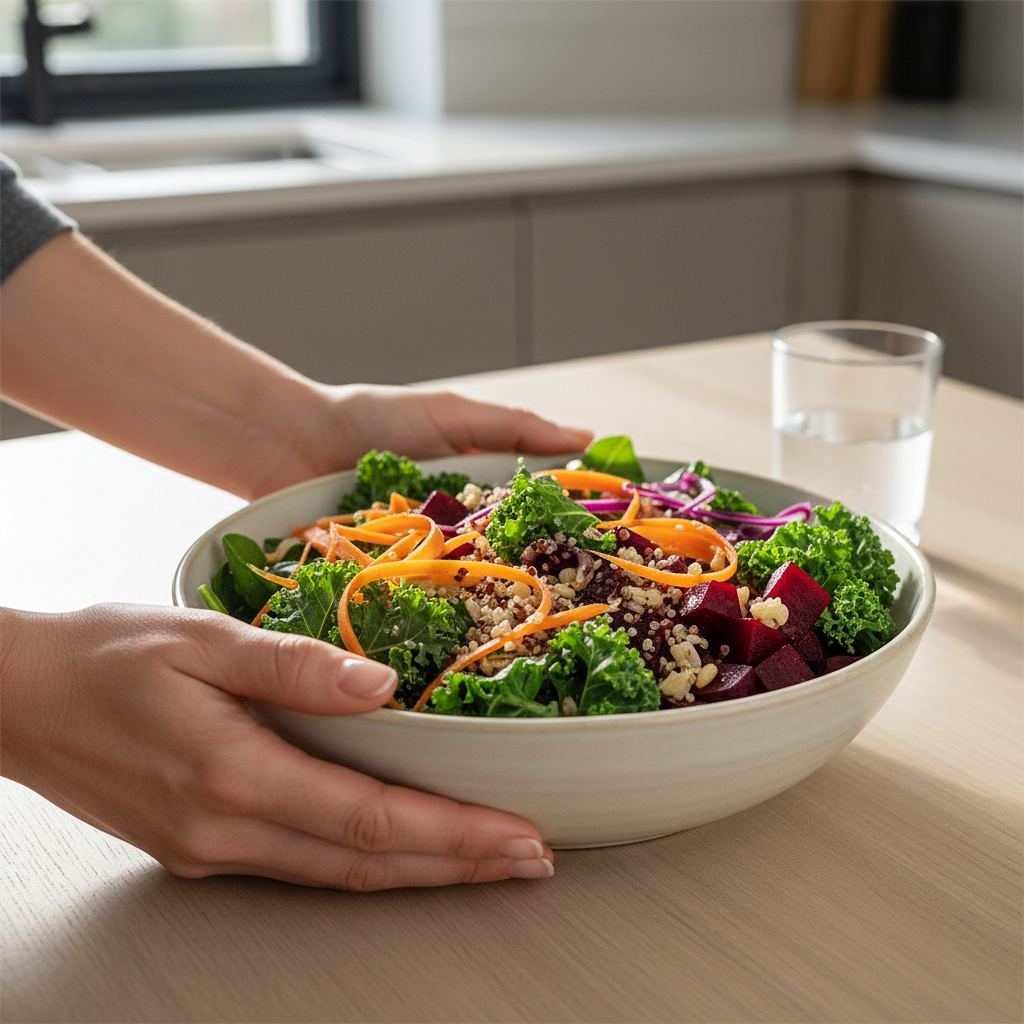
Intuitive eating aims to create a healthy relationship with food, free from the constraints of dieting. This results in a sustainable approach to health that emphasizes mental and physical wellness.
Myth 3: Intuitive Eating Leads to Weight Gain
One major concern is that intuitive eating inevitably results in weight gain. However, the focus of intuitive eating is not on weight control but on fostering a positive relationship with food. Weight changes, if any, are seen as a byproduct rather than a goal.
Experts highlight that intuitive eating can lead to weight stability over time. By addressing emotional and habitual eating patterns, many find their natural set point without the stress of dieting.
Myth 4: Intuitive Eating Lacks Structure
Some argue that without the rigid guidelines of traditional diets, intuitive eating lacks structure. However, intuitive eating provides a framework based on ten principles that guide individuals in reconnecting with their body's signals.

These principles include rejecting diet mentality, coping with emotions without using food, and respecting your body. This structure supports a more sustainable and enjoyable way of eating.
Myth 5: Intuitive Eating is Just Another Fad
Intuitive eating is often dismissed as a trend, yet it has been around since the 1990s, with roots in scientific research and psychological understanding. Its longevity and growing body of evidence speak to its effectiveness and adaptability.
Experts emphasize that intuitive eating is not a temporary fix but a lifelong journey towards a healthier relationship with food. It encourages self-compassion and body acceptance, offering a refreshing alternative to the diet-centric culture.
By debunking these myths, it's clear that intuitive eating is a thoughtful and evidence-based approach to food. For those looking to make peace with their eating habits, it offers a path to both physical and emotional well-being.